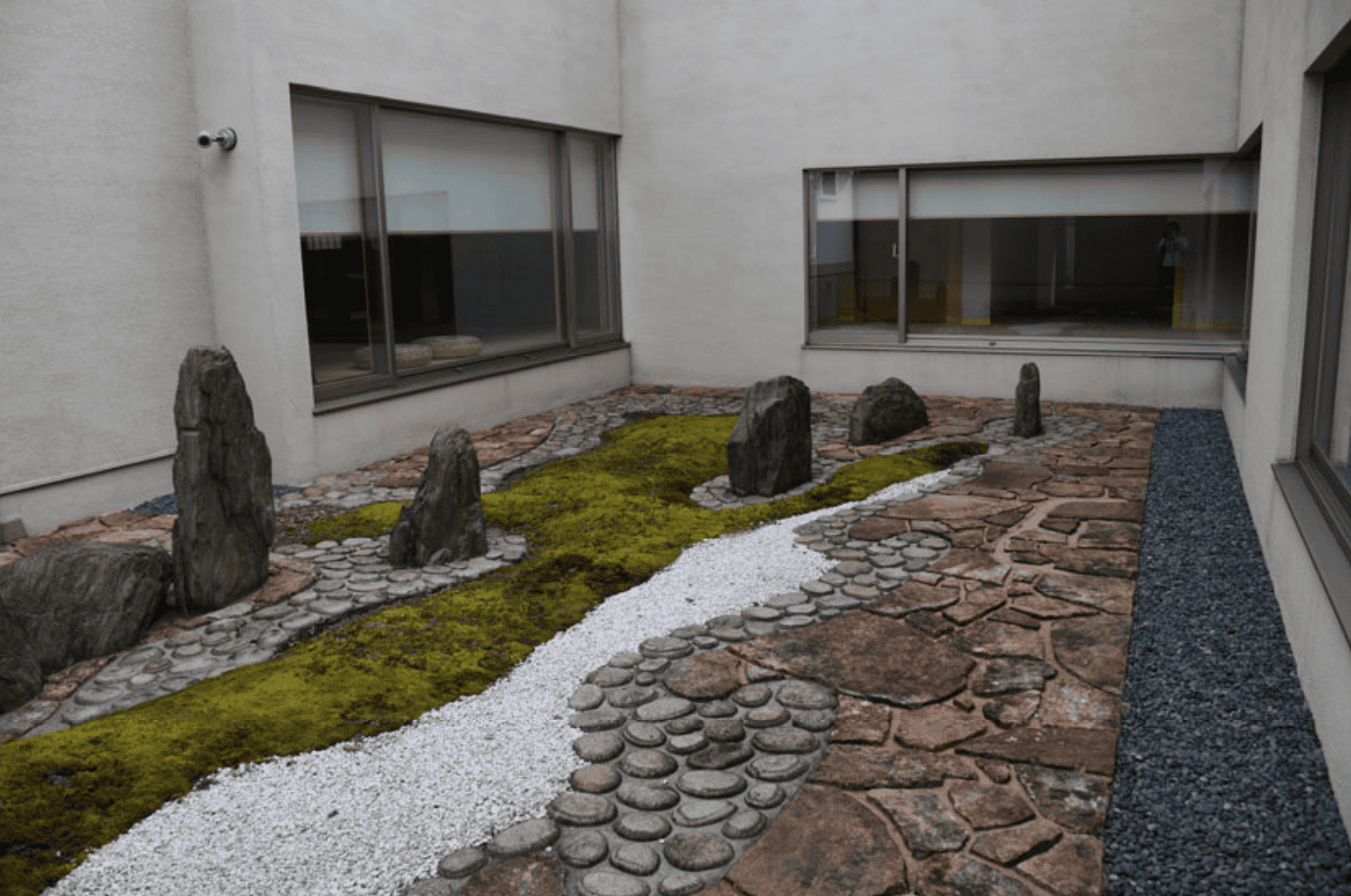
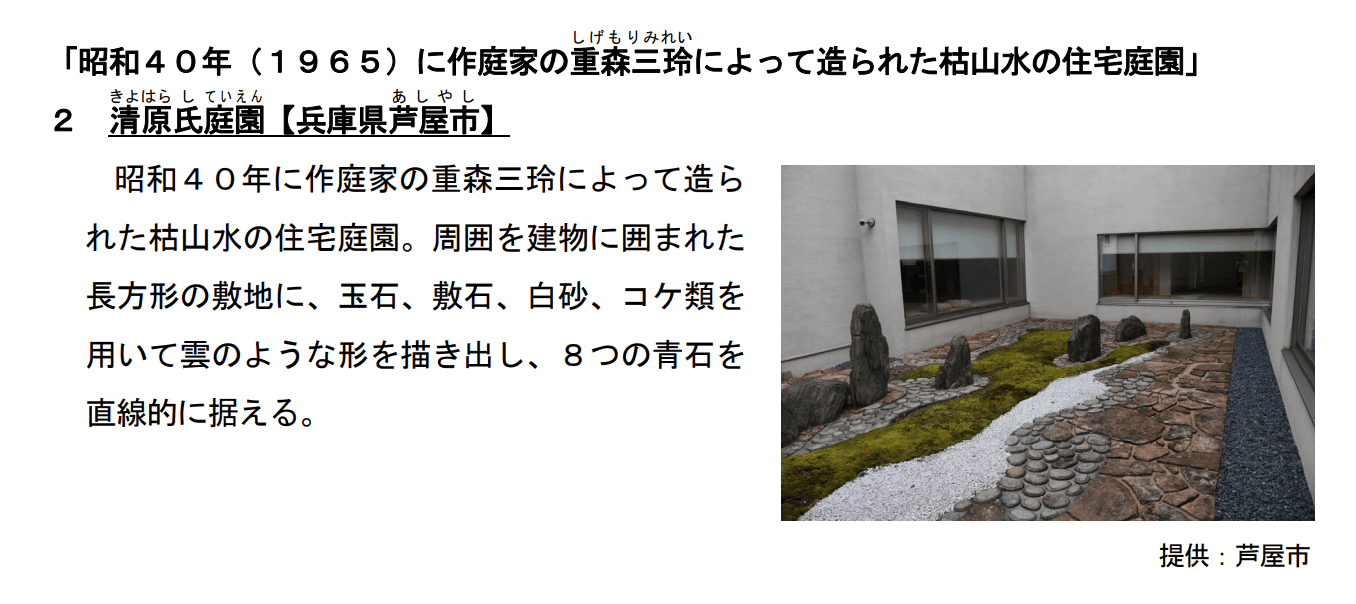
It looks like “Kiyohara-shi Teien” in Ashiya City is set to become a National Registered Monument〜
On December 19, the Council for Cultural Affairs submitted its recommendation to the Minister of Education, Culture, Sports, Science and Technology, and once it’s officially announced in the government gazette, it will be registered〜
A “Registered Monument” seems to be a system with somewhat lighter? more flexible? regulations than “Designated Cultural Properties.” (Sorry for the very loose explanation〜 Please read the Agency for Cultural Affairs pamphlet for details!)
What is “Kiyohara-shi Teien”?
It’s said to be a karesansui dry landscape garden created in 1965 by Shigemori Mirei, one of the leading garden designers of the Showa period.
It is not open to the public, and its exact location also appears to be undisclosed〜
What other Japanese gardens in Ashiya are open to the public?
“Kiyohara-shi Teien” is not open to the public, but in fact, there are quite a few Japanese gardens in Ashiya City that are open to visitors〜. As expected from Ashiya, the Garden City!
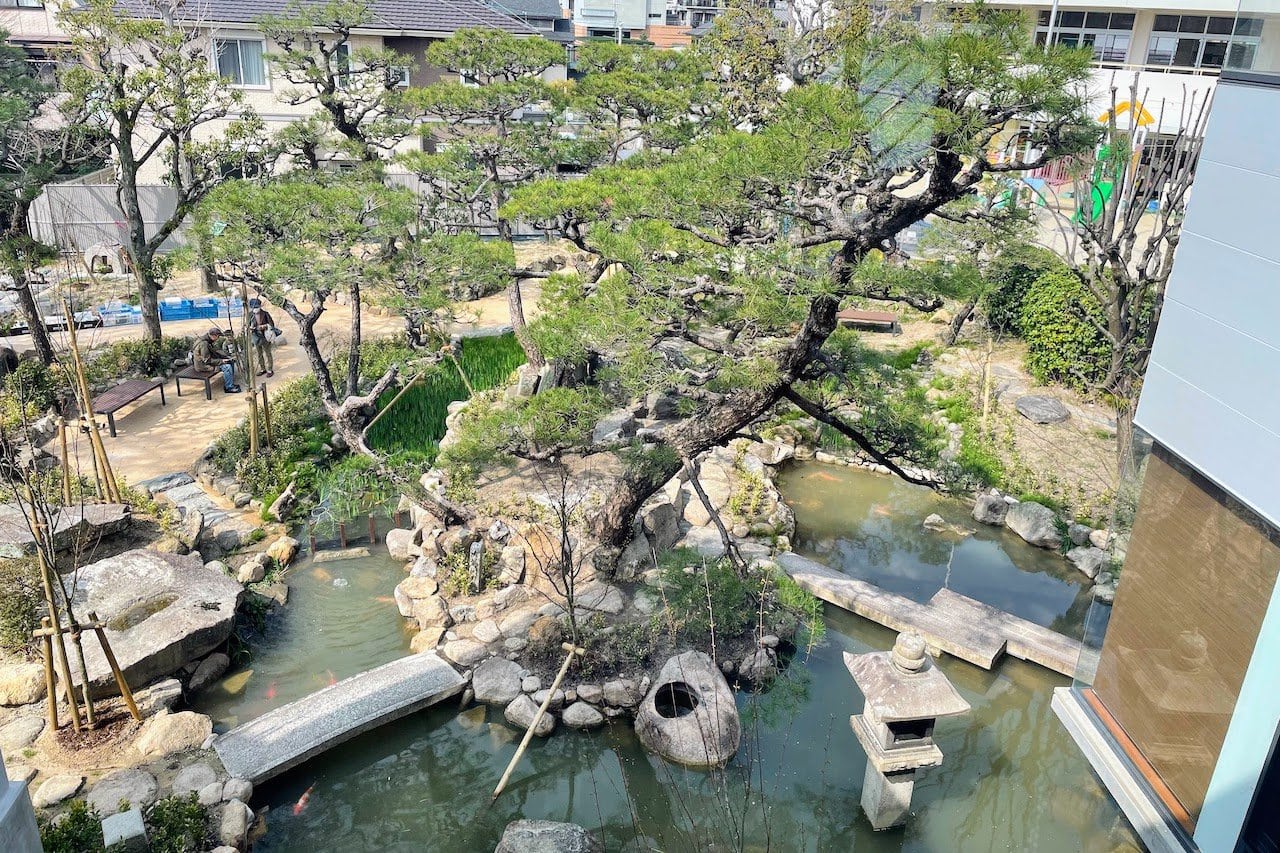
↑The Japanese garden inside the “Uchide Education and Culture Center” is free, and you can go in and enjoy it freely〜
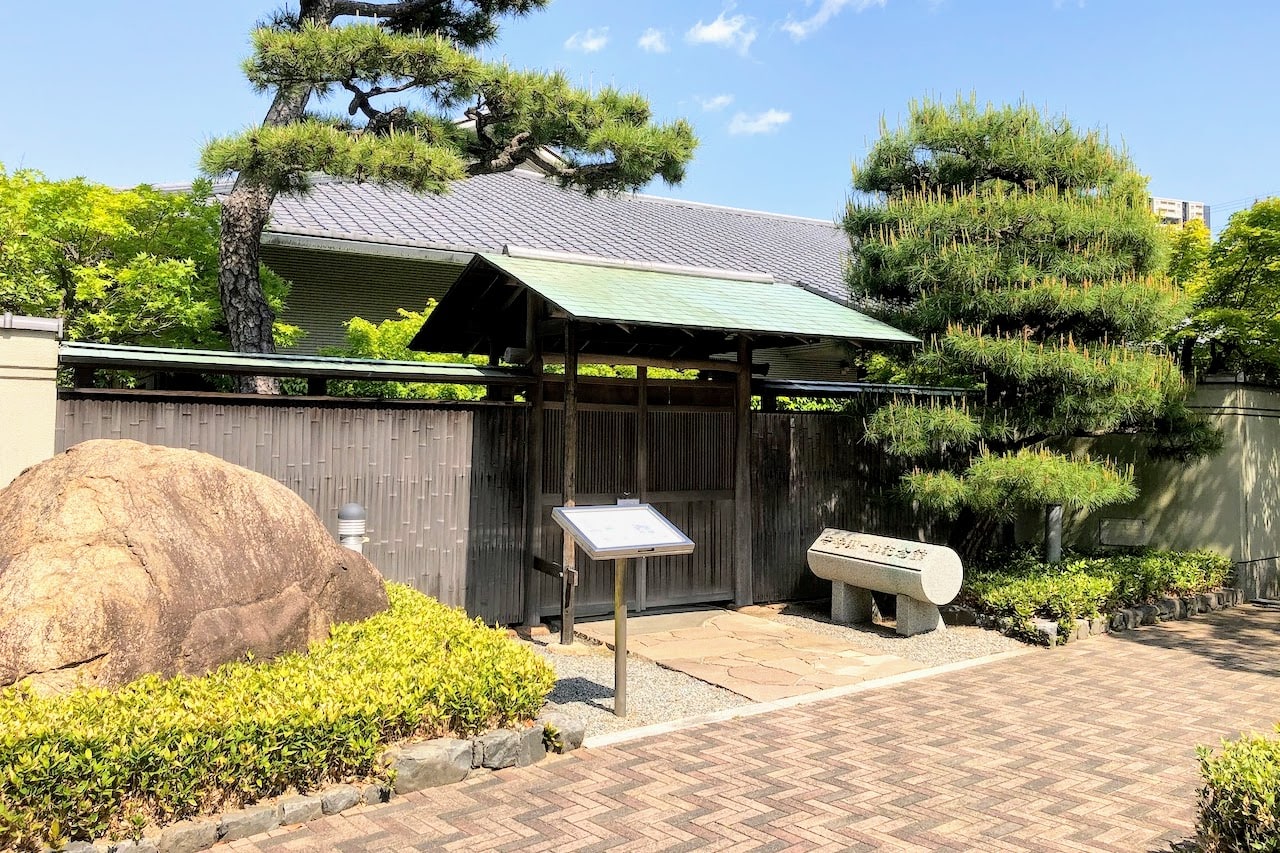
↑There is also a splendid Japanese garden inside the “Tanizaki Junichiro Memorial Museum” in Ise-cho! Admission is 500 yen for adults, and you can also see exhibits related to Tanizaki and sukiya-style architecture, so it’s a great deal〜
Click here for the official website of the Tanizaki Junichiro Memorial Museum, Ashiya
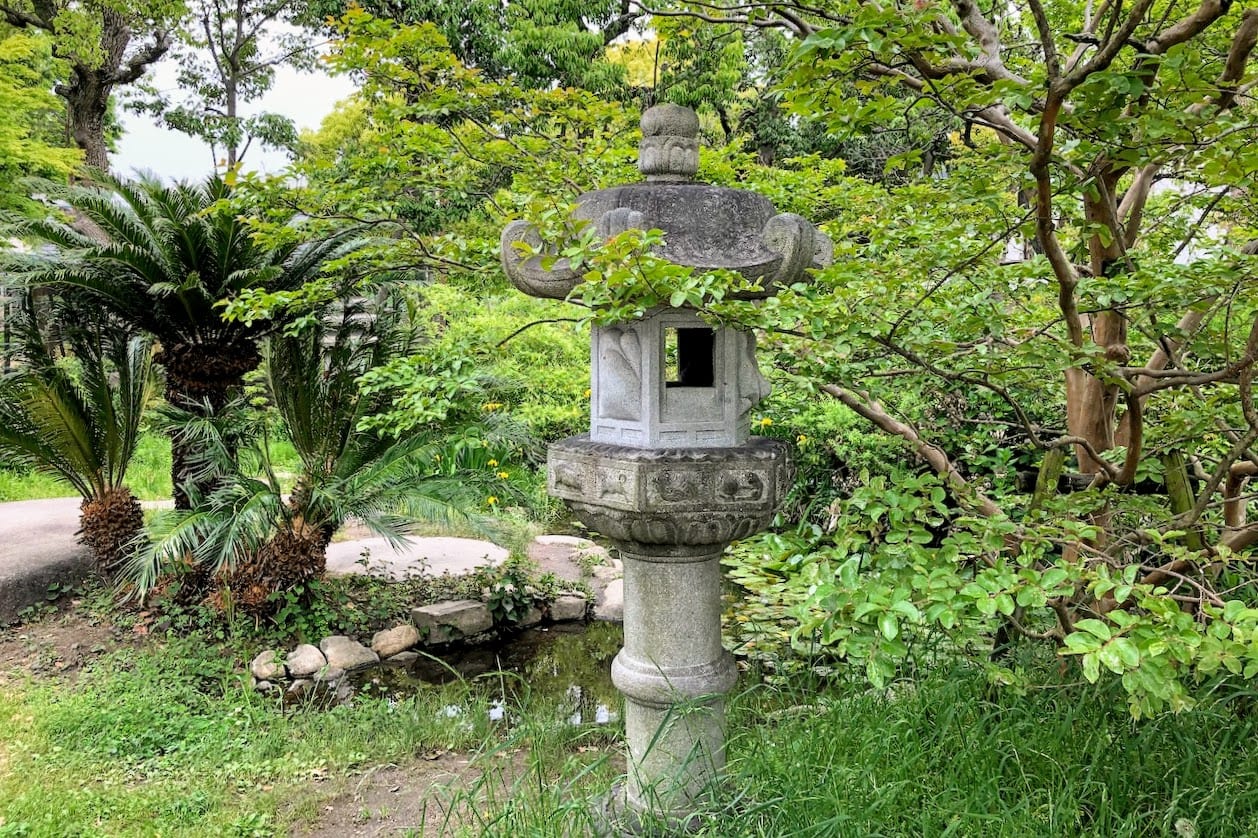
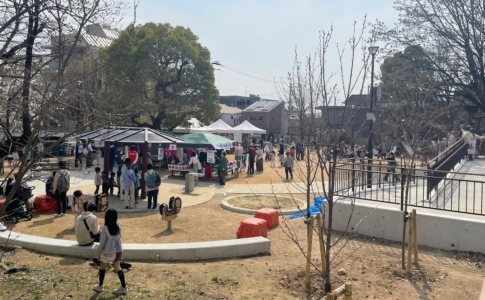
↑“Maeda Park” in Maeda-cho is a park developed on the former site of a residence, and features such as the garden’s stone lanterns remain as they were.
The atmosphere feels quite like a Japanese garden, with a real sense of wabi-sabi〜 (And since it’s a park, of course it’s free!)
Finally
Unfortunately, “Kiyohara-shi Teien,” which is set to become a Registered Monument this time, is closed to the general public, but this might be a good opportunity to visit some of the other Japanese gardens in Ashiya City〜
Also, the nationally designated Important Cultural Property “Former Yamamura Residence (Yodoko Guest House)” and the “Ege-yama Site” are open to the public, so those are also recommended places to visit!